
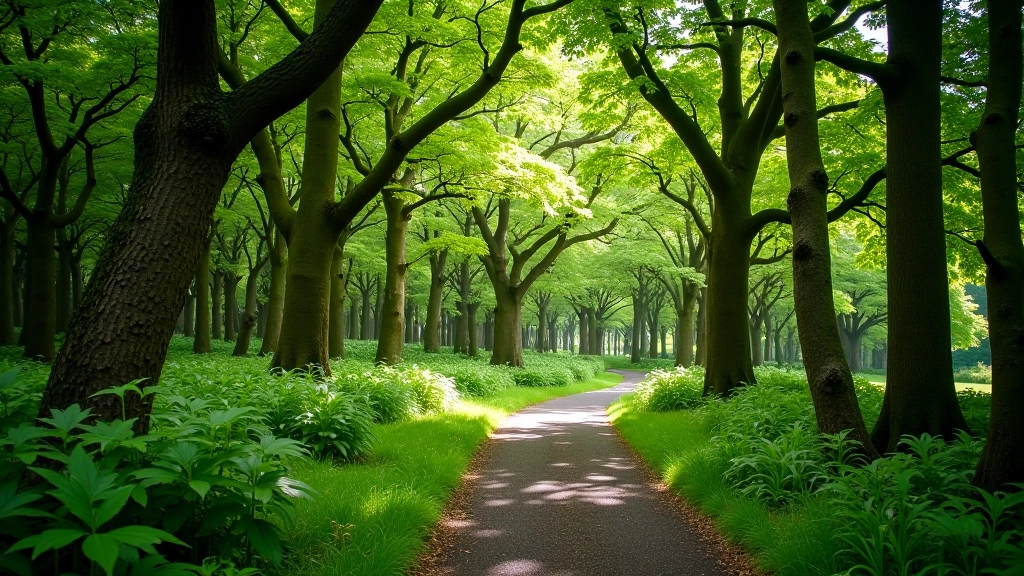
Walking Reenadinna Yew Wood Without Getting Lost
The three main loops, trail markers to look for, and why locals recommend the northern path for shade and solitude.
A practical packing guide for comfortable walking in one of Kerry's most beautiful woodland areas
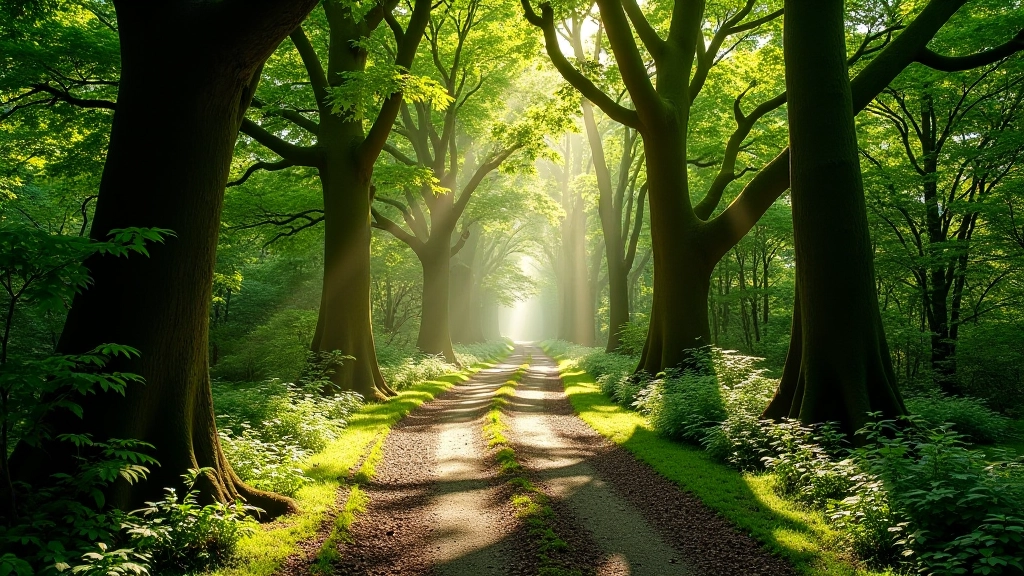
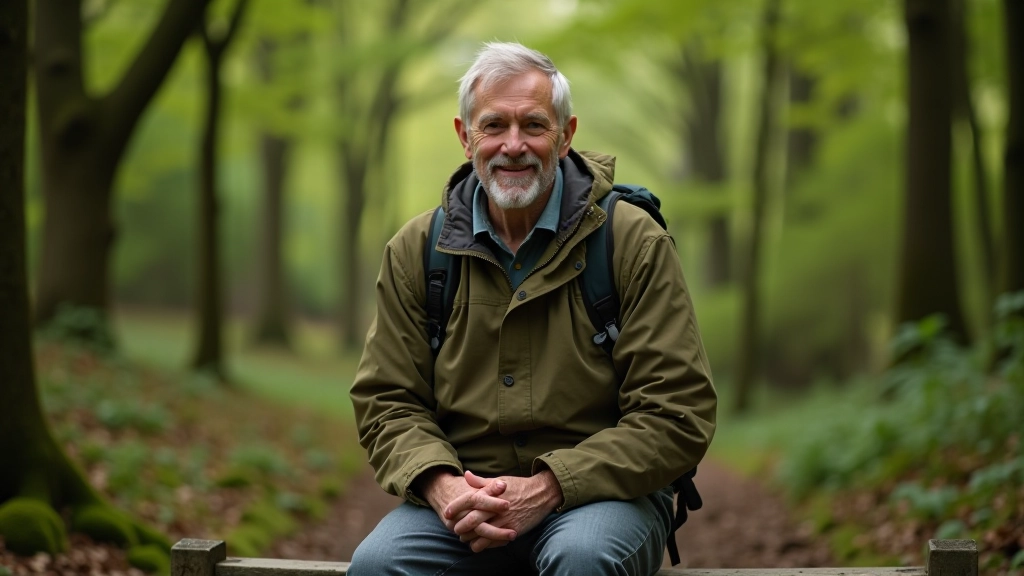
You're planning a full day at Muckross Peninsula. The walking is gentle, the scenery's spectacular, and you'll want to stay comfortable from morning until you head home. That means packing thoughtfully — not too heavy, not too light, and definitely not forgetting the things that actually matter.
We've walked these paths dozens of times, in all seasons. Here's what makes the real difference between a brilliant day and one where you're uncomfortable for the last few hours. It's not complicated, but it's worth getting right.
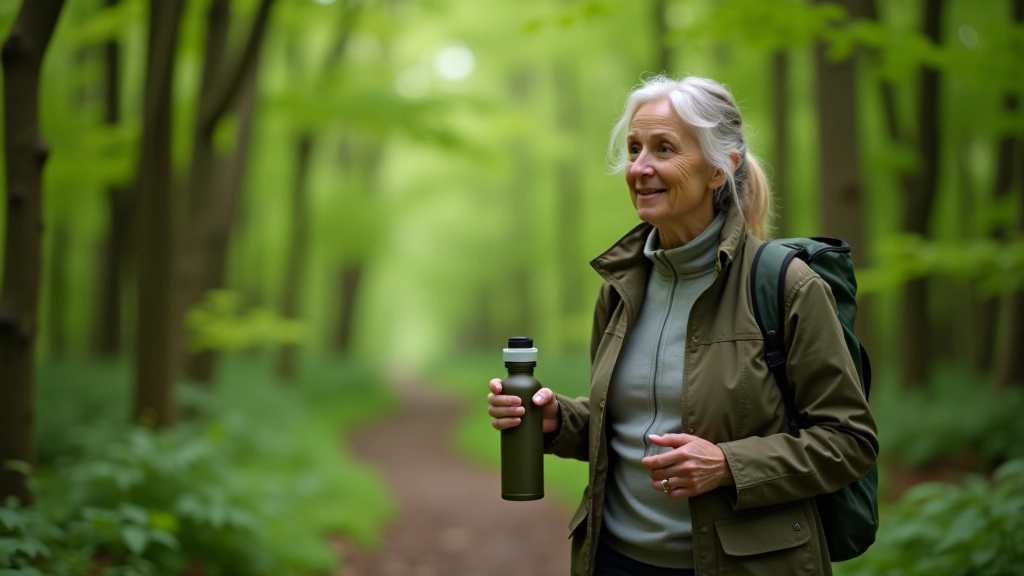
You'll walk for hours in shade, which is brilliant for staying cool. But that shade is deceptive — you're still moving, still working your body, and you'll get thirsty whether you notice it or not.
Bring at least 1.5 litres. If you're going in summer or on a warm day, two litres isn't excessive. The paths don't have water stations, and the closest shop is a good 20 minutes' walk from most trail starts. You're better off carrying more than you think you'll need.
A lightweight water bottle in your pack won't slow you down, but forgetting water will definitely make the last couple of hours feel longer. Consider a bottle with a handle — easier to grab quickly without stopping.
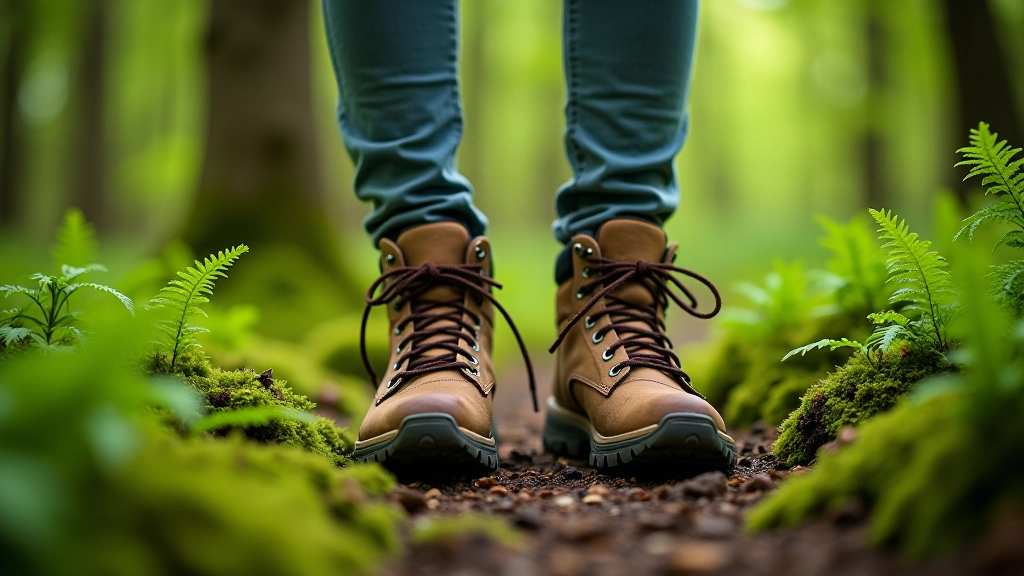
The paths at Muckross aren't rough — they're well-maintained and mostly flat or gentle. But they're also uneven in places, with roots and rocks you won't spot until you're right on them. That's why your shoes make such a difference.
Trainers work if they've got decent grip and ankle support. Proper hiking boots are better — they're stiffer, protect your ankles on the uneven bits, and the sole grips better when it's damp. Which it often is, especially near the lough. Avoid anything with smooth soles. You'll regret it on the steeper sections.
Break them in before you go. Seriously. New boots on a six-hour walk is how you end up with blisters and a miserable afternoon. Wear them for a week or two first — short walks, around the house, whatever it takes.
This guide is informational. Weather in southwest Kerry changes quickly — what's mild at 9am can be cool by afternoon. Check the forecast before you leave. Bring layers regardless of what the weather app says. The shade keeps things cooler than you'd expect, and if you're not moving fast, you'll feel the temperature drop.
Start with a base layer — merino wool or a synthetic blend that wicks moisture. Skip cotton. It holds sweat and you'll feel clammy within an hour.
Add a mid-layer. A fleece or lightweight jumper you can tie around your waist when you warm up. Then a windproof jacket, even if the forecast says calm. The open areas near the lough can surprise you with wind, and you're in shade most of the day so you don't get the warmth of direct sun.
Trousers or leggings — not shorts. The shade is lovely but the trees and ferns brush against your legs constantly. Long trousers protect you from scratches and the occasional nettle. They're also warmer when the wind picks up.
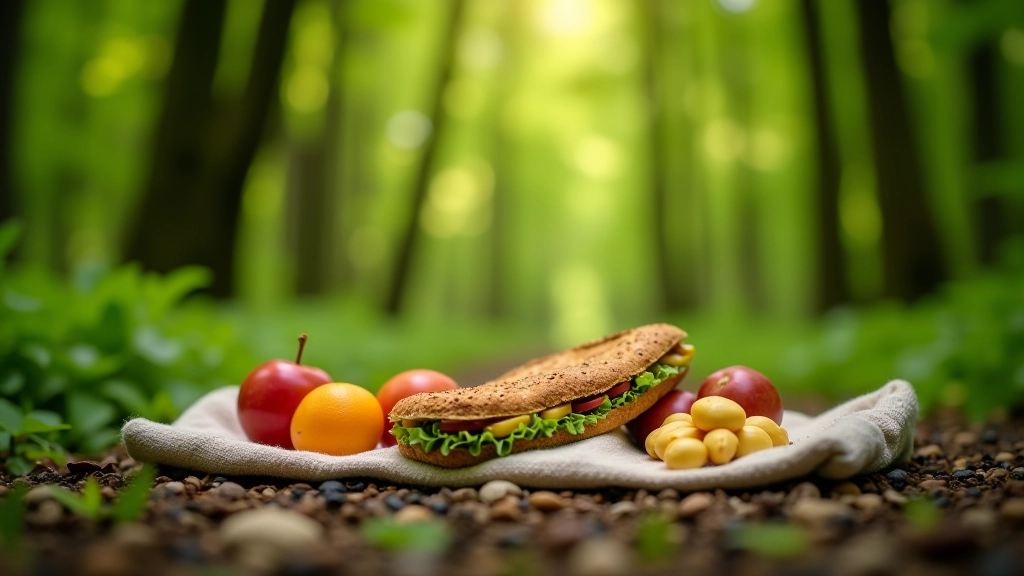
You'll be walking for hours. Your body needs fuel. Don't skimp on this — it's not about being luxurious, it's about staying comfortable and enjoying yourself.
Pack a proper lunch, not just crisps and a chocolate bar. A sandwich, some fruit, nuts, a cereal bar. Things that give you sustained energy, not a quick spike followed by a crash. You'll want to sit somewhere nice and take a proper break midday — there are benches scattered throughout the trails.
Bring snacks for mid-morning and mid-afternoon too. A banana, some trail mix, a granola bar. These keep your energy steady and stop you from getting that awful hungry-and-grumpy feeling in the last hour of your walk. Trust us on this one.
You might think a walking stick is optional, something only for people who really need mobility help. That's not quite right. A good stick takes pressure off your knees, especially on the downhill sections. It also helps with balance on uneven ground — and honestly, it's just nice to have something in your hand as you walk.
Get one that's the right height — roughly to your wrist when your arms hang down. Adjustable trekking poles are great because you can shorten them for uphill and lengthen them for downhill. They're lightweight, they fold up, and they make a real difference on a six-hour walk.
Reduces knee strain on downhill sections
Improves balance on uneven woodland paths
Engages your upper body and distributes effort
You're in shade most of the day, but bring sunscreen anyway. The open areas near the lough reflect light. A hat helps too — keeps glare out of your eyes and the sun off your head during breaks.
A small blister kit, some plasters, and a few paracetamol tablets. You won't need them most of the time, but if you do, you'll be glad you have them. Blisters can ruin the last hours of your walk.
Your backpack should be waterproof or have a rain cover. Ireland's weather is unpredictable. Your phone, keys, and packed lunch don't need to get soaked if a shower passes through.
Especially in summer. Midges don't often bite, but they're annoying. A small bottle takes up almost no space and makes a real difference on still days near water.
That's really it. Water, good shoes, layers, food, and a walking stick if you've got one. You don't need fancy gear or expensive equipment. You need comfort and practicality. Get these things right and you'll have a brilliant day in one of Kerry's most beautiful places.
The shade keeps you cool. The paths are gentle. The views are worth every step. Pack thoughtfully and you'll be comfortable from start to finish. That's when walking becomes something you actually enjoy, not just something you endure.

Author
Senior Woodland Heritage Writer
Woodland ecologist and heritage writer with 14 years' experience in Irish forest conservation and accessible nature tourism.
The three main loops, trail markers to look for, and why locals recommend the northern path for shade and solitude.
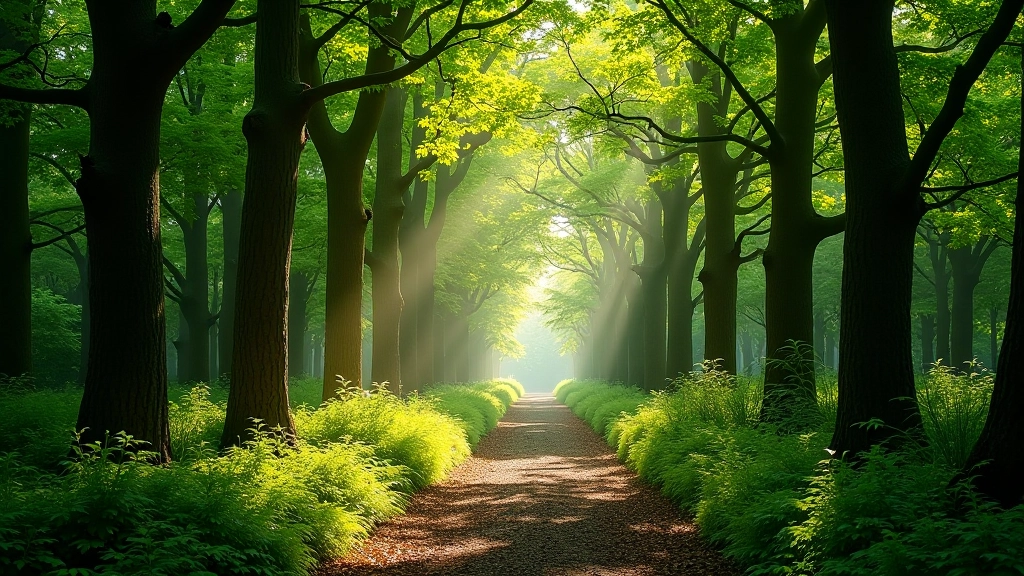
Why time in ancient woodland reduces stress, improves sleep, and why the shade paths of Kerry are particularly therapeutic.
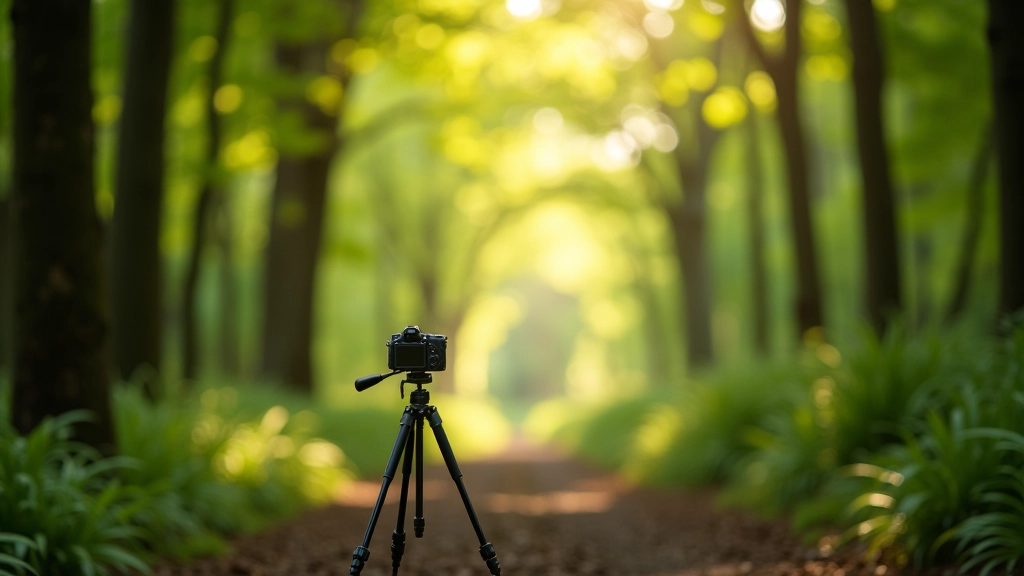
How to capture the mood of shade paths — camera settings for dappled light, timing, and composition techniques for woodland scenes.