

What to Bring for a Full Day at Muckross Peninsula
Practical packing list including water, comfortable shoes, what to wear for changing weather, and items that make a difference.
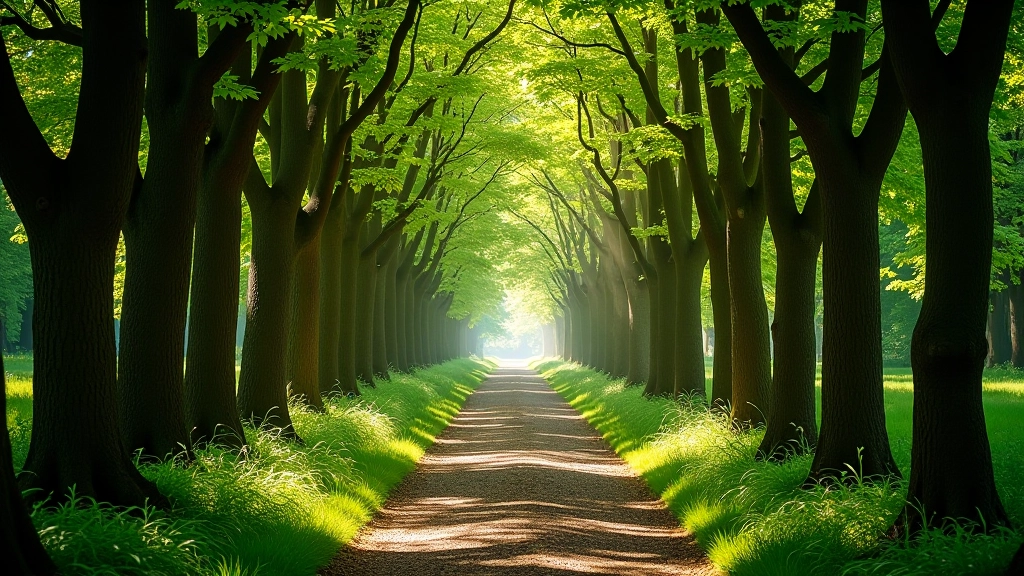
Reenadinna Yew Wood isn't complicated, but it's easy to take a wrong turn if you're not paying attention. We've covered this ancient forest plenty of times, and there's a rhythm to it once you understand the three main loops and what trail markers to look for.
The northern circuit is where most people start — it's flatter, the paths are clearer, and you'll pass some stunning old yews that've been standing for centuries. The thing is, locals prefer it for good reason. It doesn't demand much from your legs, but it gives you everything you're looking for: shade, quiet, and the kind of forest air that feels healing.
You'll want to begin at the car park near the stone entrance gate. From there, the path is obvious — it's been walked for generations. The northern loop measures about 3.2 km and takes roughly 75 minutes if you're moving at a relaxed pace. We're not rushing here.
The trail stays beneath the canopy most of the way. You'll see ancient yews — some are probably older than the houses in Kenmare. Their trunks are massive, bark rough and dark. The shade is consistent, which is why retirees love this route. Even in summer heat, you're walking in comfort. Plus, the path is well-drained. You won't sink into mud unless there's been serious rain.
Look for the white-painted blazes on tree trunks every hundred meters or so. They're not huge, but they're reliable. If you haven't seen one in more than 200 meters, backtrack slightly — you've probably drifted onto a side path. This happens. It's not a failure. Just orient yourself and continue.

This article provides general walking information based on local knowledge and visitor experience. Weather conditions, trail maintenance, and accessibility can change seasonally. Always check current conditions with local visitor centers before your walk. Wear appropriate footwear, carry water, and let someone know your route. This information is educational and shouldn't replace proper trip planning or consultation with local authorities.
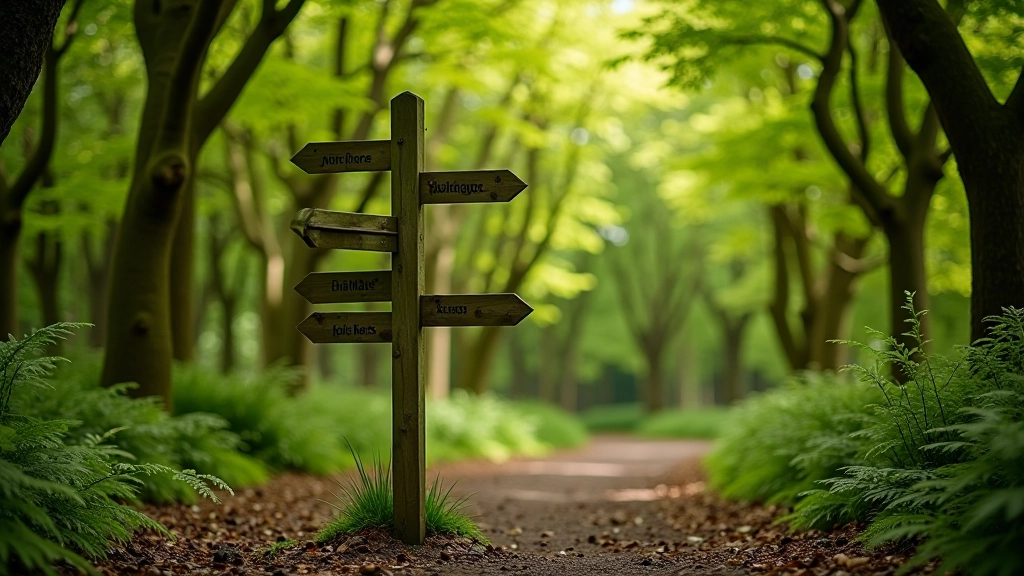
Don't overthink the markers. You're looking for painted blazes — usually white or occasionally yellow — on tree trunks at roughly eye level. They're not subtle. If you see one, you're on the right path. The spacing tells you something too. If markers suddenly appear closer together, the terrain's about to change. Maybe a steep section's coming, or a junction. The forest is communicating with you.
There's also cairns — stacks of stones — at key decision points. These aren't decorative. They're deliberate markers that've been maintained by locals and park staff. If you see a cairn, a junction's near. Take a moment, look around, and choose your direction carefully.
You'll notice side paths too. These are tempting. They look quiet and mysterious. Some lead nowhere — they're just deer trails or erosion paths. Others connect to neighboring properties. Stick to the marked trail. It's worth it.
Once you've done the northern circuit a couple times, you'll feel confident exploring the other two. The eastern loop branches off near the halfway point of the northern trail. It's slightly more challenging — about 4.1 km total — but still manageable. You'll encounter some gentle elevation changes and a few rocky sections. Nothing severe. The reward is solitude. Fewer people venture here, so you get more of that forest peace.
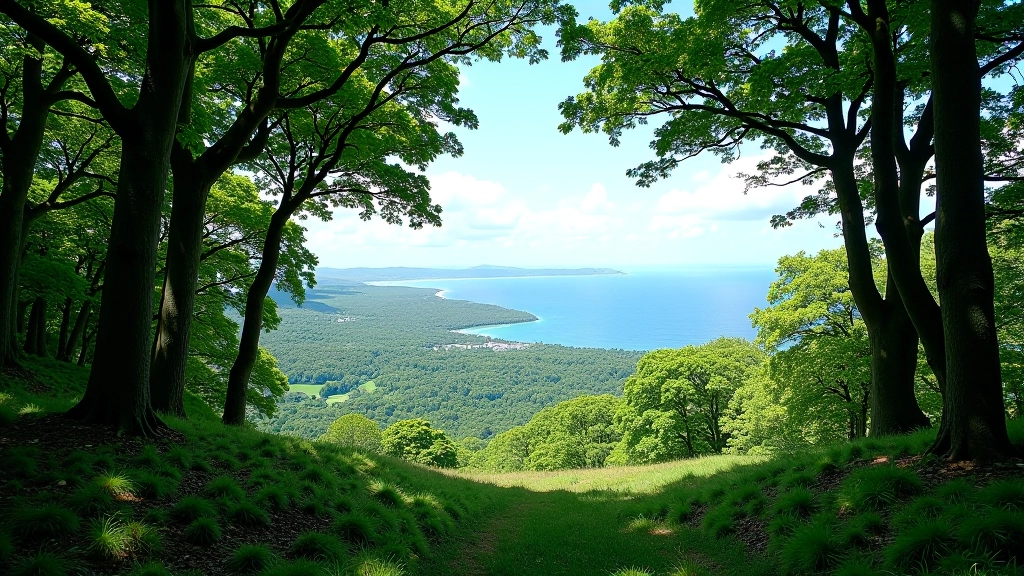
The southern loop is the most rewarding for views. It climbs gradually to a small plateau where you can see out toward Muckross Peninsula on clear days. It's the longest at 5.8 km, but the gradient's never steep. Takes about 2 hours. Some walkers combine the northern and southern loops into one ambitious outing — that's 9 km, roughly 3.5 hours. We'd recommend that only if you've already done each loop separately.
All three loops are well-established. You're not pioneering anything. Thousands of walkers have gone before you. That's actually reassuring. The paths are maintained. The markers are refreshed regularly. You're walking on a route that's been tested and refined over decades.
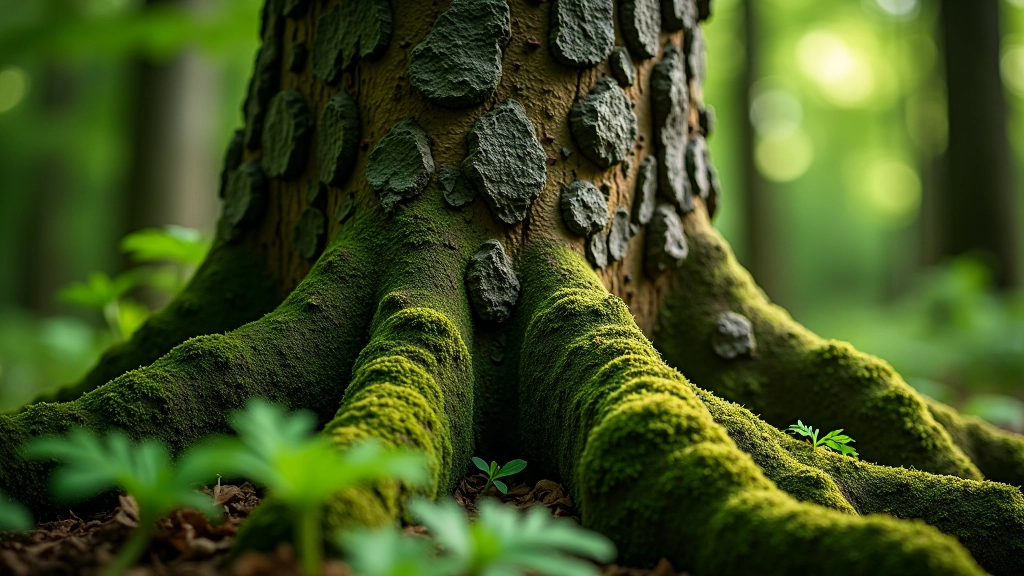
The yews here are the real draw. You're not just walking through a forest. You're walking through living history. Some of these trees predate the Norman invasion of Ireland. Their root systems are intertwined with the earth so completely that they've shaped the landscape itself. The forest floor is soft because of centuries of yew needles. The air smells different — earthier, richer. That's not imagination. It's real.
Retirees love this place because it's accessible but substantial. You get a genuine woodland experience without scrambling up mountains or navigating technical terrain. The shade keeps you comfortable. The paths are forgiving. And there's enough variety across the three loops that you can return many times without feeling like you're repeating yourself.
Plus, the wildlife is remarkable. You'll hear birds — wood pigeons, wrens, occasionally a woodpecker. Ferns cover the forest floor. You might spot deer if you're quiet and patient. The ecosystem here is intact and thriving. Walking these paths, you're part of something that's been continuous for thousands of years.
Waterproof hiking boots are your best choice. The forest floor can be damp even when it hasn't rained. Trainers will work on dry days, but you'll regret it after heavy rain. The paths aren't treacherous, but proper grip matters.
Start early. The light in a yew forest changes dramatically through the day. Morning light is softer, more ethereal. Afternoon light gets harsh. Plus, you'll have the forest mostly to yourself before mid-morning. That's worth planning around.
Rain doesn't ruin this walk. The canopy protects you from the worst of it. But wind can be an issue. Reenadinna sits exposed enough that strong westerly winds make the walk uncomfortable. Check forecasts before you go. Temperature matters less — the shade keeps things cool even in summer.
You don't need GPS for the main loops. The markers and cairns are reliable. But carrying your phone with offline maps downloaded doesn't hurt. If you're trying a new route or combining loops, maps are worth having. Download before you arrive — mobile signal is spotty in the forest.

Reenadinna Yew Wood isn't mysterious once you understand the basic structure. Three loops. Clear markers. Reliable paths. What makes it special isn't complexity — it's authenticity. You're walking through genuine ancient forest with minimal human intervention. That's rare. That's what people come for.
Start with the northern circuit. Get comfortable with the rhythm of the place. Then explore the eastern and southern loops at your own pace. You'll find your favorite spots. Everyone does. Some walkers love the plateau views on the southern route. Others prefer the solitude of the eastern loop. Some just repeat the northern circuit because it's perfect as is.
You won't get lost if you pay attention to the markers and don't rush. The forest wants you to succeed. It's been guiding walkers for centuries.

Senior Woodland Heritage Writer
Woodland ecologist and heritage writer with 14 years' experience in Irish forest conservation and accessible nature tourism.
Practical packing list including water, comfortable shoes, what to wear for changing weather, and items that make a difference.

How ancient woodland environments reduce stress, improve breathing, and provide measurable wellness benefits for older adults.

How to capture the mood of shade paths — camera settings for dappled light, timing, and composition in dense forests.